Introduction
The Positive Crankcase Ventilation (PCV) valve is a crucial component of your vehicle’s emissions control system, playing a vital role in maintaining engine health and environmental safety. Despite its importance, the PCV valve is often overlooked until problems arise, leading to poor engine performance, increased emissions, or costly repairs. In this comprehensive guide, we’ll explore exactly what the PCV valve does, how to recognize its failure signs, and the best methods to test and replace it if necessary. By understanding this small but significant part, you can keep your engine running smoothly and extend its lifespan.
What Is a PCV Valve?
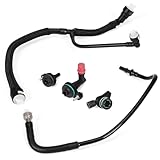
The PCV valve is a one-way valve installed in your engine’s crankcase ventilation system. Its primary function is to redirect harmful gases that build up in the engine crankcase back into the combustion chamber for burning, thereby reducing emissions and preventing oil contamination.


Definition List: Key Terms
- Crankcase: The bottom part of an engine that contains the crankshaft and lubricating oil.
- Emission Control: Strategies and components designed to reduce pollutants released into the environment.
- One-Way Valve: A device allowing fluids or gases to flow in only one direction.
How the PCV Valve Works
In a typical engine, combustion generates gases that escape past piston rings into the crankcase. Without proper ventilation, these gases could cause pressure buildup, oil leaks, or contamination. The PCV valve facilitates the safe removal of this excess pressure by opening to vent gases into the intake manifold, where they are burned during normal engine operation.
Conversational Breakdown: How It Operates
Imagine your engine as a busy factory. As it operates, some waste gases are produced. The PCV valve acts as a smart gatekeeper, opening to let these waste gases flow back into the engine’s air intake—like recycling—preventing buildup that could damage the engine. When the engine is off or under certain conditions, it closes to prevent the entry of dirt or unfiltered air, maintaining optimal engine function.
Key Components of the PCV System
- PCV Valve
- Intake manifold
- Crankcase ventilation tube
- Rubber grommets and connectors
Potential Causes of PCV Valve Failure
Over time, the PCV valve can become clogged, stuck, or deteriorated due to:
- Carbon buildup from combustion residues
- Oil sludge accumulation
- Use of poor-quality oil
- Excessive engine idling
- Contaminants entering the system
Signs Your PCV Valve May Be Failing
Recognizing early failure symptoms can prevent extensive engine damage. Here are the most common indicators:
Symptoms of a Faulty PCV Valve
- Rough Idling: The engine runs unevenly, often due to improper venting of gases.
- Oil Consumption Increase: Unexplained rise in oil levels or oil leaks caused by increased pressure.
- Engine Hesitation or Stalling: Sudden loss of power during acceleration.
- Excessive Oil Contamination or Sludge Build-up: Due to improper venting and combustion byproducts.
- Check Engine Light Activation: Emissions-related fault codes may appear.
- Charging and PCV Valve Noise: Hissing sounds from the valve or oil cap.
How to Test a PCV Valve
Testing the PCV valve is straightforward but crucial for diagnosing engine issues. Here’s a step-by-step guide:
Materials Needed
| Item | Purpose |
|---|---|
| Replacement PCV valve (if needed) | For comparison or replacement |
| Gloves | Safety and cleanliness |
| Safety goggles | Eye protection |
| Rags or paper towels | Cleaning and catching oil or debris |
| Torque wrench or screwdriver | For removing the valve |
| Engine calibrator or vacuum pump | For conducting vacuum tests |
Testing Steps
- Locate the PCV Valve: Consult your vehicle’s manual to identify its location, usually near the valve cover.
- Visual Inspection: Check for cracks, clogs, or oil sludge around the valve and hoses.
- Remove the PCV Valve: Carefully disconnect it using appropriate tools.
- Inspect for Damage and Cleanliness: Shake the valve; a good PCV valve should make a rattling noise due to internal plunger movement.
- Manual Testing:
- Shake the valve; if there’s no sound inside, it may be stuck or clogged.
- Use your finger to cover the opening; at idle, you should feel slight suction.
- Vacuum Test:
- Connect a vacuum pump to the valve.
- Apply vacuum; the valve should open and sustain the vacuum briefly.
- Release the vacuum; the valve should close immediately.
- Reinstall or Replace: Depending on your findings, either clean the valve or replace it.
When to Seek Professional Help
If you’re uncomfortable performing these tests or suspect significant issues, it’s best to have a certified mechanic examine your vehicle.
Materials Needed Section
| Item | Description | Quantity | Estimated Cost |
|---|---|---|---|
| Replacement PCV Valve | Compatible with your vehicle model | 1 | $10 – $25 |
| Basic Hand Tools | Screwdrivers, pliers, wrenches | Set of 1-2 | $15 – $50 |
| Vacuum Pump | For testing purposes | 1 | $20 – $40 |
| Gloves and Goggles | Safety gear | As needed | $10 – $20 |
Tips for Success
- Always consult your vehicle’s manual for specific PCV system details.
- Use quality replacement parts to ensure longevity.
- Perform regular inspections—every 20,000 to 30,000 miles or as recommended.
- Maintain proper engine oil levels and quality to prevent clogging.
- Keep the PCV system clean from sludge and deposits.
Common Mistakes and How to Avoid Them
- Using Incorrect Replacement Parts: Always verify compatibility before purchasing a new PCV valve.
- Neglecting the Hoses: Check connecting hoses for cracks or leaks; replace if damaged.
- Overlooking Related Components: The PCV system works with other parts; inspect the intake manifold and piping.
- Not Performing Regular Maintenance: Routine checks reduce the risk of unexpected failures.
- Forcing Components During Replacement: Use gentle force and proper tools to prevent damage.
Summary and Action Point
A well-functioning PCV valve ensures optimal engine performance, reduces emissions, and prevents costly repairs. Regular inspection—especially if you notice symptoms like rough idling or oil leaks—is key to maintaining your vehicle’s health. By understanding how to test and replace your PCV valve, you’ll not only improve your car’s efficiency but also extend its lifespan. Remember, when in doubt, consulting a professional mechanic is always the smart move to keep your engine running smoothly.
Your vehicle relies on many small but critical components like the PCV valve to operate efficiently. Staying proactive with inspections and maintenance will save you money and frustration in the long run.
